
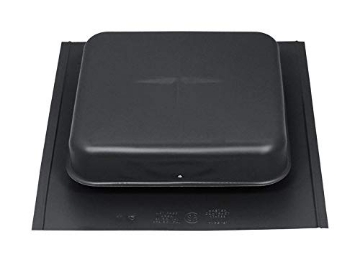
AIR VENT INC RVA510100 ROOF VENT SQ BLK AIRHAWK (PK-12-EA)
These covered openings allow air to escape the attic. Several of these vents are usually required to properly ventilate the attic. They should be placed evenly across the roof.
$22.99
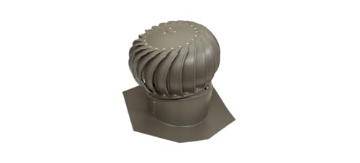
AIR VENT INC TIBS0G00 Air Vent AirHawk Turbine (12" Internal Brace, Weather Wood) (EA)
Wind Turbines are a type of attic exhaust vent that make up half of a balanced attic ventilation system for each roof. Intake vents make up the other half of the system. Together they help remove any built-up heat and moisture inside the attic for year-round ventilation. A non-electric alternative to ventilation, turbine vents use the natural force of wind and air pressure to spin and vent out stale attic air. They do it with a series of specially shaped vanes that catch the wind and provide rotary motion. This pulls hot, humid air from the attic. Turbine vents provide a low-cost ventilation alternative in areas where wind speeds of at least 5 mph are typical.
$109.99
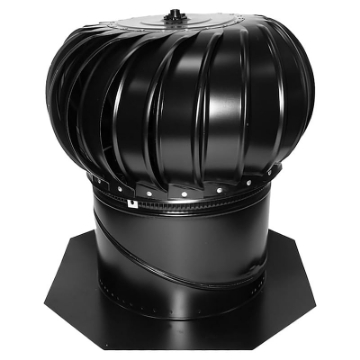
AIR VENT INC TIBS1401 Ventilation Turbine, Internal Brace, Aluminum, Mill Finish, 12-in. (EA)
A non electric alternative to ventilation, these vents use the natural force of wind and air pressure to spin and vent out stale attic air. They do it with a series of specially shaped vanes that catch the wind and provide rotary motion. This pulls hot, humid air from the attic. Turbine vents provide a low cost ventilation alternative in areas where wind speeds of at least 5 mph are typical.
$119.99
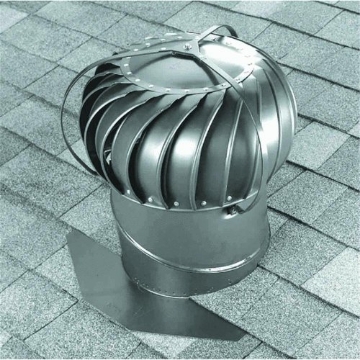
AIR VENT INC TOBS0000 External Turbine12"mill (EA)
A non-electric alternative to ventilation, these vents use the natural force of wind and air pressure to spin and vent out stale attic air. They do it with a series of specially shaped vanes that catch the wind and provide rotary motion. This pulls hot, humid air from the attic. Turbine vents provide a low-cost ventilation alternative in areas where wind speeds of at least 5 mph are typical.
$109.99
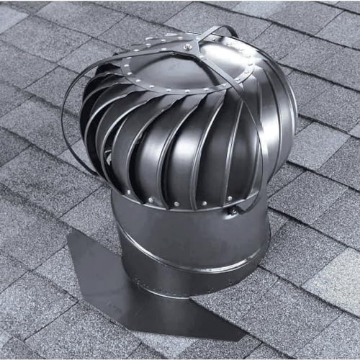
AIR VENT INC TOBS0G00 Air Vent AirHawk Turbine (12" External Brace, Weather Wood) (EA)
Wind Turbines are a type of attic exhaust vent that make up half of a balanced attic ventilation system for each roof. Intake vents make up the other half of the system. Together they help remove any built-up heat and moisture inside the attic for year-round ventilation. A non-electric alternative to ventilation, turbine vents use the natural force of wind and air pressure to spin and vent out stale attic air. They do it with a series of specially shaped vanes that catch the wind and provide rotary motion. This pulls hot, humid air from the attic. Turbine vents provide a low-cost ventilation alternative in areas where wind speeds of at least 5 mph are typical.
$109.99
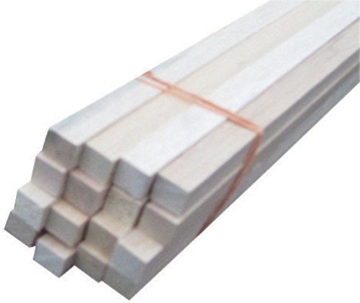
Alexander'S Costumes 02801-R0036C1 ALEXANDRIA MOULDING Thunderbird Forest Dowels 1" X 36" Square Hardwood (PK-4-EA)
Alexandria Moulding, established in 1943, has become a leader in the moulding manufacturing industry. With its six facilities within Canada and the United States, Alexandria Moulding is able to manufacture and distribute mouldings and other millwork related products effectively and efficiently across North America.
$8.59

